 RubySquare
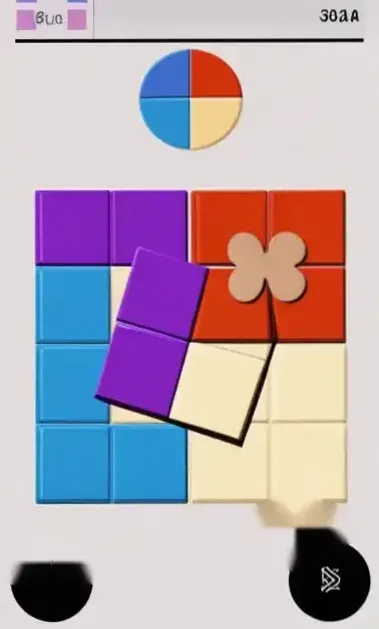
Move economy for speed solvers
The efficiency habits that halve your move count.
A sustainable daily practice that turns casual tapping into real board vision — the same warm-up structure competitive solvers use.
The best practice routine is the one you actually do. Marathon sessions teach less than consistent short ones — skill consolidates overnight, not during the grind. Here's the fifteen-minute structure our own team uses, built from three deliberate phases.
Open a stage two tiers below your current level. Solve one board, but impose a rule: no rotations until you've named — out loud or in your head — the three cells you'll touch first and why. This isn't about speed; it's about making your planning phase explicit so it gets trained instead of skipped.
One board at your current level, played under pressure: try to beat your personal move count, not the world average. The constraint forces economy — you'll feel the waste when you make a rotation that solves nothing.
Re-solve yesterday's board from memory. This is the phase everyone skips and the one that matters most — retrieval practice is what moves a pattern from 'I saw it once' to 'I see it instantly'. If you can't replay the solution, that's data: the pattern hasn't landed yet.
Fifteen honest minutes beats two distracted hours. The ritual works because it's short enough to survive a bad week.
Keep it for thirty days and you'll notice the change where it counts — not in your best games, but in your average ones. The floor rises.
Five minutes naming your plan before touching a cell — trains the planning habit explicitly.
One board under move-count pressure — economy over speed, undos capped at three.
Replay yesterday's solve from memory — retrieval is what turns seeing into knowing.
Lead puzzle designer, AppSoGreat
Maya designs the boards you love to hate. Seven years, 700+ levels, and she still solves every new pack by hand before it ships.